

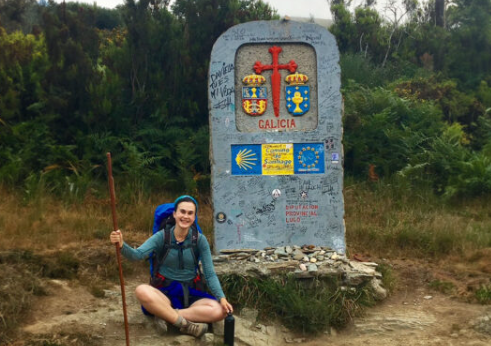
My accidental awakening: Hiking the Camino de Santiago and discovering freedom on my own terms.
I didn’t set out to have a feminist awakening on the Camino de Santiago. I set out because I was tired — tired of routine, tired of noise, tired of feeling like my life had been assembled from other people’s expectations. The Camino, with its ancient paths stretching across Spain, seemed like the perfect place to disappear for a while.
What I didn’t expect was to find myself there.
The first few days were brutal. My backpack felt heavier with every kilometre, my feet blistered, and I questioned why anyone voluntarily walked hundreds of miles for “clarity.” Yet somewhere between the endless wheat fields and quiet village cafés, something shifted. Life on the Camino was stripped down to its essentials: walk, eat, rest, repeat. There was no pressure to look polished, no race to achieve more, no invisible checklist of who I was supposed to be.
For the first time in years, I moved entirely according to my own needs. I stopped when I was tired. I ate when I was hungry. I chose silence without apologising for it.
That simplicity felt radical.
Along the trail, I met women from every corner of the world — divorced women rebuilding their lives, young women travelling alone despite everyone warning them not to, mothers rediscovering who they were beyond caregiving. Their stories carried a quiet but unmistakable theme: freedom often begins the moment women stop asking for permission.
By the time I reached Santiago, I realised the Camino had given me more than beautiful memories. It had shown me how much of my life had been shaped by expectations I never consciously chose.
The journey didn’t make me fearless or entirely transformed. But it did leave me with something more valuable: the confidence to trust my own voice, even when it leads me off the expected path.
