


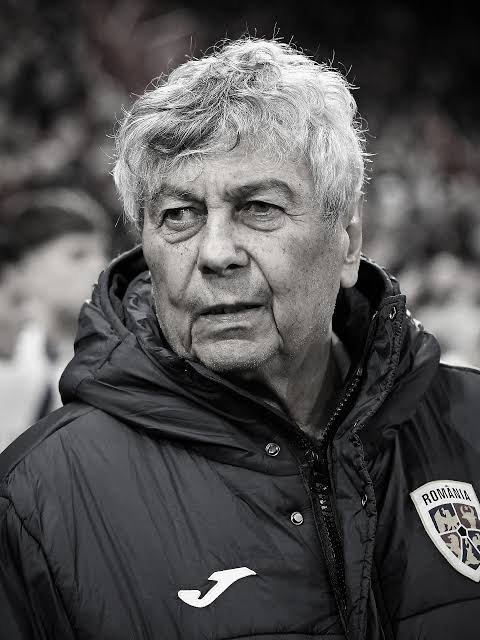
BREAKING NEWS: DINAMO BUCHAREST UNVEIL STRIKING MIRCEA LUCESCU STATUE — EMOTIONAL TRIBUTE SPARKS PASSIONATE DEBATE OVER CLUB’S GREATEST LEGENDS
Dinamo Bucharest have reportedly unveiled a striking new statue dedicated to former legendary coach Mircea Lucescu, creating an emotional moment for supporters while simultaneously sparking a passionate debate over the club’s rich history and the recognition given to its greatest figures.
The unveiling has been presented as a major celebration of one of the most influential personalities associated with Dinamo. For generations of supporters, Lucescu’s name remains closely connected with an important period in the club’s history, making the decision to honour him with a permanent monument a deeply symbolic gesture.
Fans gathered to celebrate the occasion, with the statue quickly becoming a focal point for conversations about Dinamo’s identity, traditions and historic achievements. For many supporters, the monument represents an opportunity to ensure that younger generations understand the contribution made by figures who helped shape the club.
Lucescu’s reputation at Dinamo extends far beyond his role on the touchline. His tactical knowledge, leadership and ability to develop competitive teams helped establish his status as one of Romanian football’s most respected coaching figures. His connection with Dinamo has consequently remained an important part of the club’s story.
However, the unveiling has also generated considerable discussion among supporters.
While many fans have welcomed the tribute, others have questioned whether enough recognition has been given to the numerous players, coaches and administrators who contributed to Dinamo’s success throughout its history. Some supporters have argued that celebrating Lucescu should be accompanied by wider efforts to honour the club’s other legendary personalities.
The debate has not necessarily been about whether Lucescu deserves the statue. Instead, it has focused on how Dinamo should preserve and celebrate its remarkable heritage.
Several generations have witnessed different eras of success, and each period has produced its own heroes. For some supporters, the latest tribute should therefore be viewed as the beginning of a broader initiative rather than the conclusion of the club’s efforts to honour its legends.
The emotional response surrounding the unveiling has demonstrated how strongly Dinamo supporters identify with their club’s history. The statue is more than a physical monument; it has become a symbol of memories, achievements and the personalities who helped establish Dinamo as one of Romania’s most recognizable football institutions.
There is also a feeling among supporters that historical recognition can play an important role in connecting the club’s past with its future. Younger fans who did not experience Lucescu’s era can now encounter his legacy through a permanent tribute at the club.
At the same time, the debate could encourage Dinamo to explore additional ways of celebrating its history. A dedicated legends area, historical exhibition or additional commemorative projects could allow supporters to see the contributions of different generations represented more prominently.
Ultimately, the unveiling of the Mircea Lucescu statue has become much more than a ceremonial event. It has reignited conversations about what Dinamo Bucharest represents and how its greatest figures should be remembered.
For many supporters, the statue is a fitting tribute to a legendary coach whose influence remains part of Dinamo’s identity. For others, it is a reminder that the club’s history is filled with numerous extraordinary personalities who also deserve recognition.
Whatever the debate ultimately produces, the unveiling has succeeded in one important respect: it has brought Dinamo’s history back into the spotlight and given supporters another reason to celebrate the figures who helped make the club what it is today.
