

Fake Signs Along Camino de Santiago Pilgrimage Paths Are Leading Christians to Slaughter house.
Reports of fake signs appearing along routes of the Camino de Santiago have sparked concern among pilgrims and local authorities in northern Spain. The Camino, a centuries-old Christian pilgrimage culminating at the shrine of St. James in Santiago de Compostela, draws hundreds of thousands of walkers each year seeking spiritual reflection, cultural immersion, and community.
Recently, however, misleading arrows and counterfeit waymarkers have allegedly redirected some travelers away from the official trail. In a few reported cases, pilgrims found themselves wandering into isolated industrial areas and farmland, including routes leading toward privately owned slaughterhouses and restricted agricultural facilities. While no organized campaign has been confirmed, regional associations warn that even a handful of falsified signs can pose safety risks.
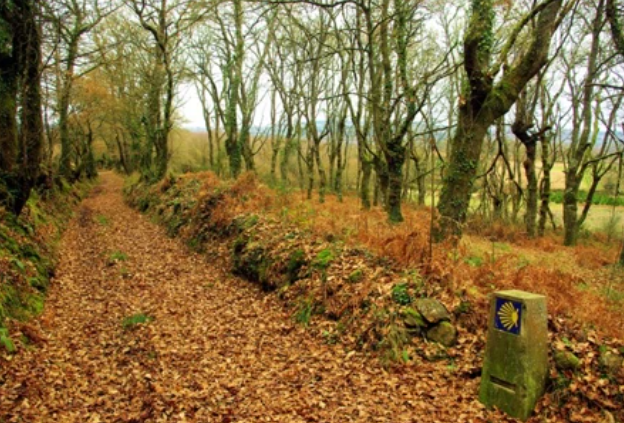
The Camino’s iconic yellow arrows and scallop shell symbols are traditionally maintained by local volunteer groups and municipal authorities. Because much of the path passes through open countryside, it remains vulnerable to tampering. Pilgrim forums and social media groups have circulated photos showing altered arrows pointing in the wrong direction or stickers placed over authentic markers.
Authorities in regions such as Pamplona and Burgos have urged walkers to rely on official guidebooks, verified GPS apps, and well-established waymarks.
Local police have also encouraged pilgrims to report suspicious signage.
Safety experts emphasize that most Camino routes remain secure and well-maintained. Incidents appear isolated rather than widespread. Nevertheless, with peak pilgrimage seasons approaching, officials are stepping up monitoring efforts to preserve both the physical safety and spiritual integrity of one of Christianity’s most cherished journeys.
For many, the Camino represents faith, endurance, and trust in shared humanity. Ensuring clear and accurate guidance along its paths is essential to protecting that tradition for future generations.
