

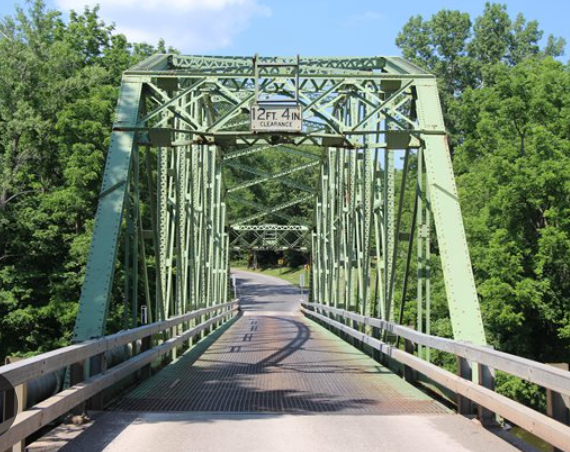
Bridge E-99 Gives Way: Shocking Partial Collapse Forces Emergency Closure in Lyons
LYONS, N.Y. — Residents of Wayne County woke to alarming news today as the Lyons Wayne County Railroad Bridge, known locally as Bridge E-99, was abruptly closed following a partial structural collapse. Authorities confirmed that a section of the bridge gave way, prompting immediate safety measures and an emergency shutdown of the area.
Emergency crews responded swiftly after reports of visible structural failure surfaced early this morning. Officials quickly cordoned off the surrounding zone, halting all rail traffic across the span and restricting nearby access routes as engineers began assessing the damage. No injuries have been reported at this time, but authorities emphasized that the situation could have been far worse had the collapse occurred during peak rail operations.
Bridge E-99 has long served as a critical rail link through Lyons, supporting freight operations vital to the regional economy. The sudden failure has raised urgent questions about infrastructure safety, inspection protocols, and the overall condition of aging rail bridges across upstate New York.
Witnesses described hearing unusual noises prior to the discovery of the collapse, with some reporting vibrations that “didn’t feel normal.” While the exact cause remains under investigation, officials have not ruled out structural fatigue, weather-related stress, or foundational erosion as potential factors.
Transportation authorities are now working to reroute rail traffic and minimize disruption to supply chains. Structural engineers are conducting a comprehensive evaluation to determine whether the bridge can be repaired or will require full replacement — a process that could take months.
Local leaders are urging residents to avoid the area and remain patient as crews work around the clock. Updates are expected as more information becomes available.
This developing story underscores growing concerns about infrastructure resilience — and the potentially devastating consequences when critical systems fail.
