

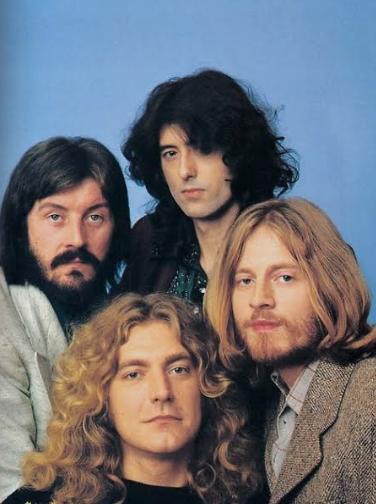
Led Zeppelin: Sex, Thunder, and the Birth of Rock Immortality
Led Zeppelin didn’t just play rock music—they summoned it. When Jimmy Page, Robert Plant, John Paul Jones, and John Bonham came together in 1968, they created a sound that felt elemental, as if it had been pulled straight from the earth, the sky, and somewhere much darker. Loud, sensual, mystical, and unapologetically powerful, Led Zeppelin redefined what a rock band could be.
At the core of their magic was contrast. Page’s riffs were both precise and feral, balancing blues tradition with sheer sonic force. Plant’s voice soared and howled, drenched in sexuality and myth, sounding less like a singer and more like a spellcaster. John Paul Jones provided quiet brilliance—his bass lines and keyboard work gave Zeppelin depth and sophistication—while John Bonham’s drumming hit like thunder, each beat massive, physical, and impossible to ignore.
Their music was steeped in sex, but never cheap. Songs like “Whole Lotta Love” and “The Lemon Song” pulsed with raw desire, while tracks such as “Kashmir” and “Stairway to Heaven” reached for something spiritual and eternal. Zeppelin understood that rock wasn’t just entertainment—it was transformation.
A concert wasn’t a performance; it was a ritual.
Offstage, the band became infamous for excess, feeding their legend with tales of decadence that blurred the line between reality and myth. But unlike many of their peers, Led Zeppelin refused to chase singles or play by industry rules. They let the albums speak, trusting the power of the music over marketing—and it worked.
Decades later, Led Zeppelin remains untouchable. Their songs still thunder through speakers, still feel dangerous, still inspire awe. They didn’t simply dominate an era; they transcended it. In the echo of Bonham’s drums and the wail of Plant’s voice, rock found its immortality—and it still lives there.
