

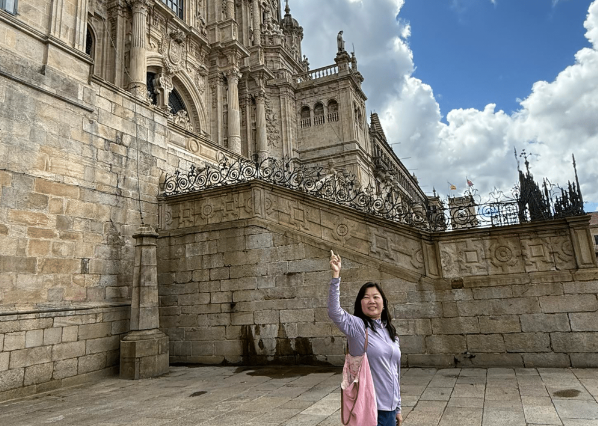
The Camino de Santiago: A Walk Through the Fragrance of God’s Presence
The Camino de Santiago is more than a pilgrimage traced across northern Spain; it is a slow immersion into a sacred rhythm where body, soul, and landscape breathe together. Each step along the ancient paths feels like moving through an unseen fragrance—subtle, lingering, and unmistakably holy. Pilgrims often arrive seeking answers, healing, or clarity, yet many discover something gentler and deeper: the quiet nearness of God.
The Camino teaches through simplicity. Blistered feet, early mornings, shared meals, and long silences strip life down to its essentials. In this bareness, God’s presence becomes perceptible not as thunder or command, but as scent—like wildflowers warming in the sun, incense drifting from a village church, or rain settling into dusty soil. It is sensed rather than seized, recognized rather than explained.
Along the way, strangers become companions. Conversations unfold easily, crossing languages and histories, bound by the common act of walking. In these encounters, pilgrims often glimpse grace: kindness offered without calculation, stories received without judgment, burdens shared without demand. God seems to pass between people, leaving traces of compassion and humility in His wake.
Nature, too, becomes a sacrament. Vineyards, forests, and open plains speak of endurance and renewal. The steady horizon invites reflection, while the repetitive motion of walking becomes a form of prayer. With each step, worries loosen, and the heart grows attentive. God is no longer distant or abstract; He walks beside the pilgrim, patient and unhurried.
Reaching Santiago does not end the journey. The true destination is interior—a transformed way of seeing. Those who walk the Camino often return home carrying the fragrance with them: a quiet faith, a softened spirit, and the enduring awareness that God is found not only at the end of the road, but in every step taken with intention and trust.
