

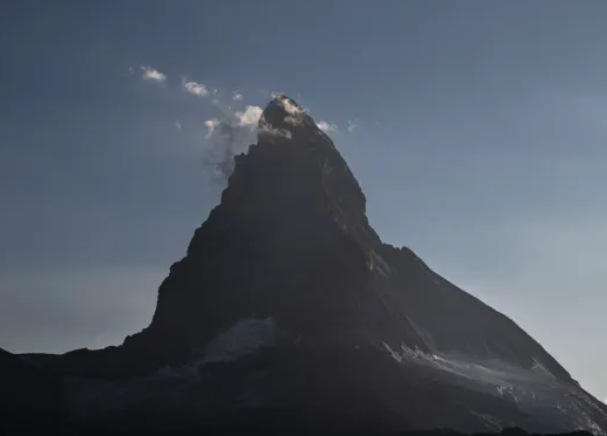
Peril on the Peak: Matterhorn St. Anton Claims Another Life
The Matterhorn, one of the world’s most iconic and unforgiving mountains, has claimed another life after a mountaineer fell to his death during a climb this week. The tragedy has once again cast a spotlight on the dangers that persist on the legendary peak, despite modern equipment and decades of alpine experience.
According to local rescue officials, the climber was ascending the mountain when he lost his footing on steep, icy terrain. Witnesses in the area reported seeing the fall before emergency services were alerted. Mountain rescue teams were dispatched quickly, but the severity of the fall left little that could be done. The man was pronounced dead at the scene.
Authorities have not yet released the victim’s identity, pending notification of family members. The exact circumstances of the accident remain under investigation, though officials noted that conditions on the mountain can change rapidly, even during periods of seemingly stable weather. Ice, loose rock, and sudden wind gusts are constant hazards along the Matterhorn’s exposed ridges.
The Matterhorn attracts thousands of climbers every year, drawn by its striking pyramid shape and storied reputation. Yet it is also notorious for its danger. Since the first ascent in 1865, hundreds of climbers have lost their lives on its slopes, making it one of the deadliest peaks in the Alps. Many accidents occur during descents, when fatigue and overconfidence can prove fatal.
Local guides have once again urged climbers to carefully assess their experience, fitness, and the prevailing conditions before attempting the ascent. “The Matterhorn is not just a symbol,” one guide said. “It demands respect every single time.”
As tributes appear online and in alpine communities, the latest fatality serves as a sobering reminder: on the world’s great mountains, beauty and peril often stand side by side.
